
Dr. Ben Kew publishes a new study on astringency of plant proteins in Scientific Reports
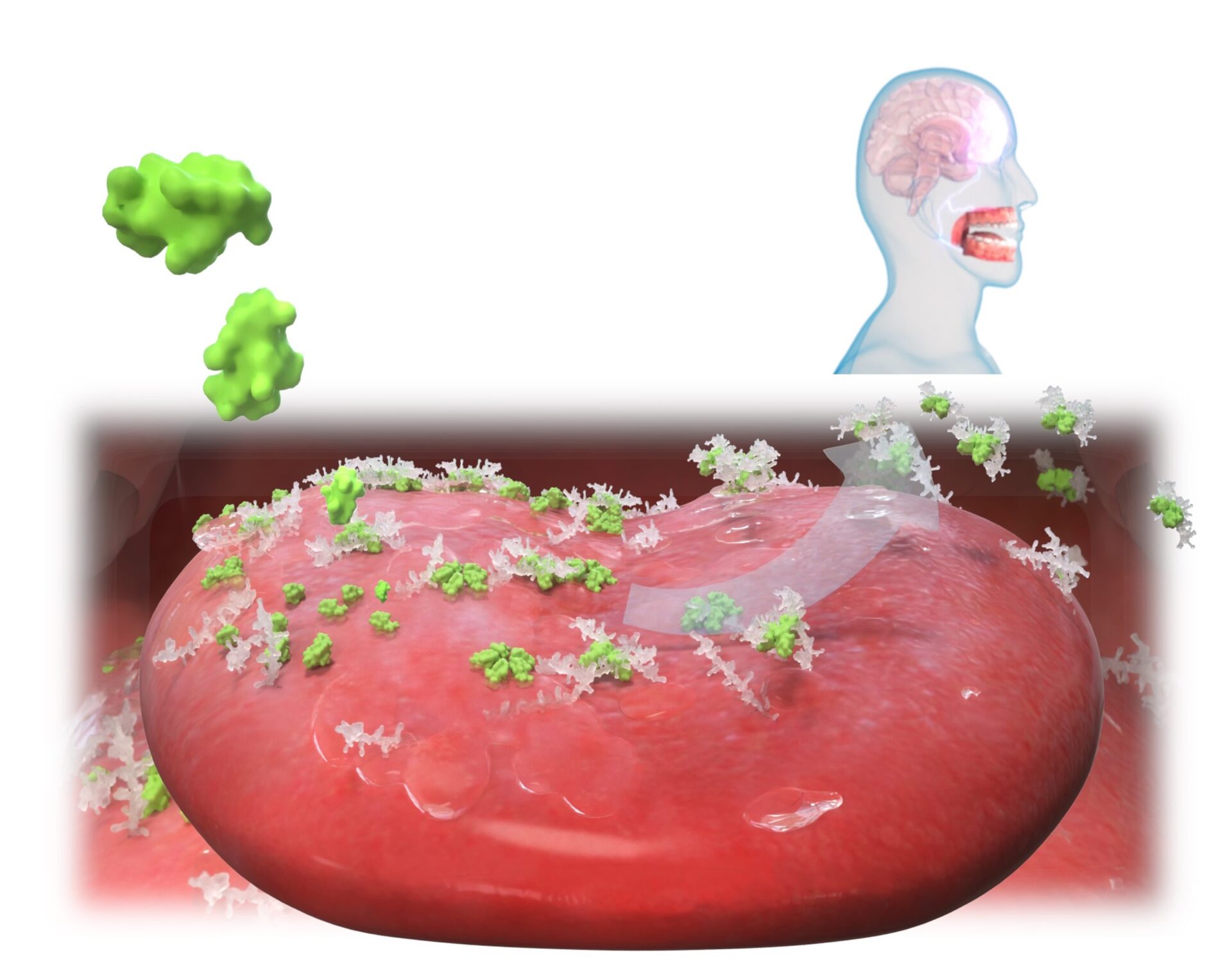
Dr. Ben Kew (NAPIC R&I Fellow) publishes his new work titled "Unveiling plant protein astringency perception through neural and cellular responses" in Scientific Reports. In this interdisciplinary study combining astringency ratings from participants (n = 134 total participants) with functional near infrared spectroscopy (fNIRS) and saliva-coated mucinous cell lines, Ben specifically demonstrates that isolated plant proteins are astringent and such astringency has cellular and neural origins. It was found that plant protein astringency is omnipresent. It is persistent too, temporal and the perception increases with time - and our brain thinks its similar to phenolics - also our mucosal oral cells (saliva-inoculated TR146 cell lines and those producing MUC1) feel the same that indeed plant proteins bind to mucins increasing oral friction, unlike dairy proteins. We identify that plant protein astringency demonstrates a distinct prefrontal cortex neural response and is associated with salivary mucin-binding, drawing parallels to tannin-like responses. Our mechanistic dissection fuelled by in vitro, in vivo, and ex vivo experimental studies pinpoints direct quantitative evidence uncovering previously uncharacterised astringency of plant proteins, paving the way for solving the sensorial challenges in the era of transitioning towards eco-friendly plant protein-based foods.
Check out the full text here: Unveiling plant protein astringency perception through neural and cellular responses | Scientific Reports